Home Heating System Options in Dayton, Ohio: Which Heating System is Right for Your Home?
If you're planning a major home renovation, building a new house, or considering a heating system upgrade, understanding your options is an important first step. Your home's heating system affects comfort, energy efficiency, operating costs, and long-term value. If you're shopping for a new home in the Dayton, Ohio area, the type of heating system installed may also influence your decision.
What Types of Home Heating Systems Are Available?
Homeowners today have more heating choices than ever before. The most common systems fall into three categories:
- Electric heating systems
- Fossil fuel heating systems
- Renewable energy heating systems
Let's take a closer look at each option.
Electric Heating Systems
Electric heating systems provide reliable comfort and can be an effective solution depending on your home's design, energy goals, and local utility rates.
Baseboard Heaters
Electric baseboard heaters offer individual room temperature control, allowing homeowners to heat specific spaces as needed. This zoning capability can help reduce energy consumption in unused rooms.
Advantages:
- Lower installation costs
- No dedicated furnace room required
- Individual room temperature control
- Relatively simple maintenance
Considerations:
- Operating costs can be higher in areas with expensive electricity
- Less effective for whole-home comfort management
Electric Furnaces
While most homeowners are familiar with natural gas furnaces, electric furnaces are another available option, particularly in locations where electricity costs are competitive or where natural gas service is unavailable.
Advantages:
- Compatible with central heating and cooling systems
- Easy thermostat control throughout the home
- Can integrate indoor air quality and ventilation solutions
- Lower maintenance requirements compared to combustion systems
Considerations:
- Energy costs may be higher than gas heating, depending on utility rates
Air-Source Heat Pumps
Air-source heat pumps have become increasingly popular due to significant advancements in efficiency and cold-weather performance. These systems provide both heating and cooling from a single unit.
Advantages:
- High energy efficiency
- Heating and cooling in one system
- Lower energy consumption compared to traditional electric resistance heating
- Improved year-round comfort
Considerations:
- Performance varies based on outdoor temperatures and system design
Fossil Fuel Heating Systems
Fossil fuel heating remains one of the most common choices for homes throughout Dayton and Southwest Ohio.
The most frequently used heating fuels include:
- Natural gas
- Propane
- Heating oil
In some cases, homeowners may also use kerosene, wood, or biofuels, particularly in rural areas.
Furnaces and Boilers
Furnaces and boilers burn fuel to create heat for your home.
- Furnaces distribute warm air through ductwork.
- Boilers distribute hot water or steam through pipes and radiators.
- Fireplaces are typically used as supplemental heat sources for open living spaces.
Advantages:
- Reliable heating performance
- Strong heating capacity during Ohio winters
- Widely available fuel sources
Important Safety Considerations
Fuel-burning equipment must be installed and maintained according to established safety standards. Proper venting, combustion air requirements, fuel storage, and carbon monoxide protection are all critical factors.
Before selecting a new heating system, it's important to discuss efficiency, safety, installation requirements, and long-term operating costs with a qualified HVAC professional.
Renewable Heating Systems
As more homeowners look for sustainable and energy-efficient solutions, renewable heating technologies continue to gain popularity.
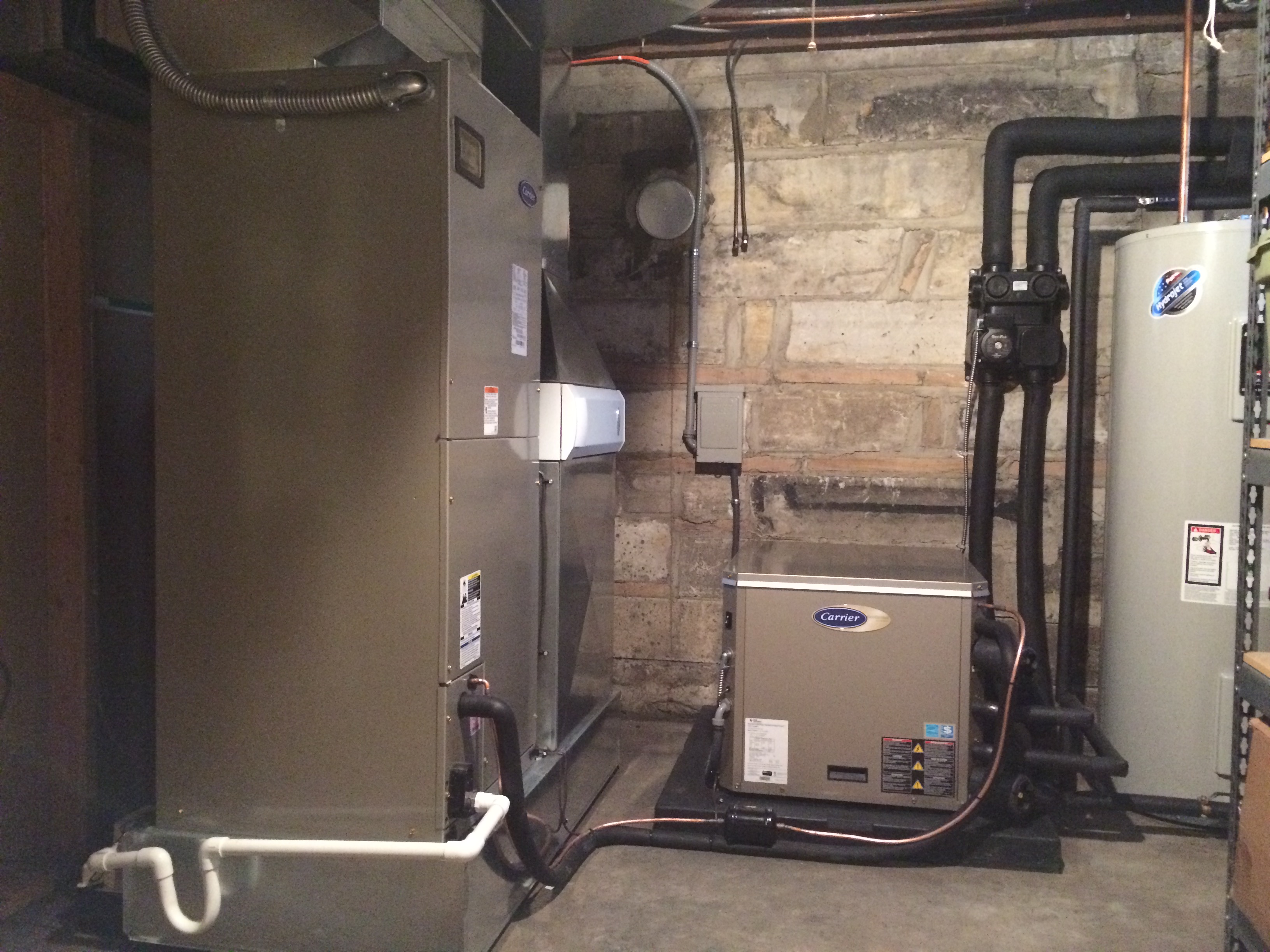
Geothermal Heat Pumps
Geothermal systems use underground piping and water-source heat pumps to transfer heat between your home and the earth.
Advantages:
- Exceptional energy efficiency
- Heating and cooling from one system
- Long equipment lifespan
- Reduced environmental impact
Considerations:
- Higher upfront installation costs
- Requires adequate property space for underground loops
Solar Heating Systems
Solar heating systems use solar collectors to capture energy from the sun. Heat is transferred through a fluid and distributed throughout the home using air or water-based equipment.
Advantages:
- Renewable energy source
- Lower long-term energy consumption
- Reduced environmental footprint
Considerations:
- Performance depends on system design and available sunlight
- Often used alongside another heating source
Which Home Heating System Is Best for Your Dayton Home?
The right heating system depends on several factors, including:
- Your home's size and layout
- Energy efficiency goals
- Available fuel sources
- Budget and installation costs
- Long-term operating expenses
- Comfort preferences
Whether you're replacing an outdated furnace, building a new home, or exploring high-efficiency heating options, a professional evaluation can help you determine the best solution for your needs.
If you're considering a heating system upgrade in Dayton, Ohio, Choice Comfort Services can help you compare your options and make an informed decision that balances comfort, efficiency, and long-term value.
4.97 out of 1268 reviews

Other pages you may be interested in...














- Beavercreek
- Bellbrook
- Brookville
- Carlisle
- Casstown
- Centerville
- Clayton
- Covington
- Dayton
- Englewood
- Fairborn
- Fletcher
- Huber Heights
- Kettering
- Laura
- Ludlow Falls
- Miamisburg
- Moraine
- New Carlisle
- Oakwood
- Piqua
- Pleasant Hill
- Riverside
- Test Carlisle
- Tipp City
- Trotwood
- Troy
- Vandalia
- West Carrollton
- West Milton