
How Winter Affects Your Ventilation System
Ventilation is critical at any time of year, but winter is particularly challenging. You probably spend more time indoors hiding from the chill so opening a window isn’t an option. Between the flu season, regular allergies, and just the need to breathe fresh air, ventilation is hyper critical during winter. Here are six considerations for your ventilation system at this time of year.

Cold and Flu Season
Because winter is nearly synonymous with sniffles and sneezes, ventilation plays a major role in keeping your family healthy during this time. Recirculated air keeps the germs inside, spreads it to everyone and reduces your body’s ability to fight it off. You might get away with a less than robust system in the summer when you can open windows, but winter illness requires better ventilation.
Temperature of Outside Air
Depending on where you live, the fresh air coming in could range from chilly to Arctic cold. This air needs to be heated, of course, so the place where it enters your house matters. If your ventilation system consists of exhaust fans and infiltration through your home’s construction, you’ll have to endure these lower temperatures to get the fresh air you need.
Humidity
When outdoor air is heated without the addition of moisture, the relative humidity drops. This, in turn, dries out your indoor air further. High humidity issues are well known, but low humidity has its own problems. You’ll experience dry mucus membranes (increasing susceptibility to colds and flus), static buildup, and possible damage to electronics.
Energy Consumption
Outdoor air requires energy to heat and humidify. The energy consumed is highest for air that’s directly heated, whether ducted to your furnace or entering through construction gaps. Energy recovery allows you to reap the benefits of fresh air without the cost of excessive energy consumption.
Vulnerable Family Members
If you’re concerned about energy costs, then aim for an energy recovery system rather than attempt to avoid ventilation, altogether. It may be tempting to keep exhaust fans off and find ways to prevent or minimize ventilation, but you’ll pay for it in other ways, especially if you have family members with allergies or who are prone to illness at this time of year.
Dust
You might think of dust as a summer problem for your ventilation, but particulates can cause problems during winter as well. Ensure that you have the right filtration in place for your ventilation system and maintain it. Change filters regularly and monitor the source of your outside air. If you need help with your home’s ventilation system this winter, give us a call and we can help you keep your air clear.
What Customers
Are Saying About Us
Are Saying About Us
Choice Comfort Services continues to provide
excellent and thorough HVAC maintenance. Great
work!

Arrived on time.(earlier than expected)
Professional. Did the job, explained everything and
was done in a timely manner. Would recommend!
Everyone at Comfort Choice was very
kind and helpful. You really appreciate this when
you are an older person!
Very professional workers that did an amazing job and cleaned up
after they completed the work.
100 percent would recommend. Gave me a price with
no hidden fees.













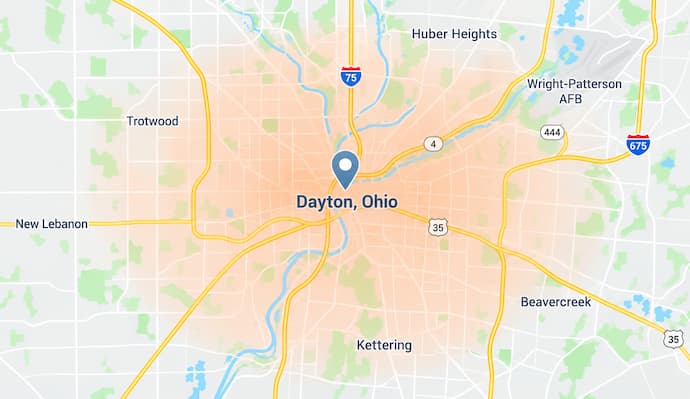
- Beavercreek
- Bellbrook
- Brookville
- Carlisle
- Casstown
- Centerville
- Clayton
- Covington
- Dayton
- Englewood
- Fairborn
- Fletcher
- Huber Heights
- Kettering
- Laura
- Ludlow Falls
- Miamisburg
- Moraine
- New Carlisle
- Oakwood
- Piqua
- Pleasant Hill
- Riverside
- Test Carlisle
- Tipp City
- Trotwood
- Troy
- Vandalia
- West Carrollton
- West Milton